
The following post may contain spoilers. Reader discretion is advised. This post also contains affiliate links; this means I may earn commissions from purchases made through these links at no extra cost to you.
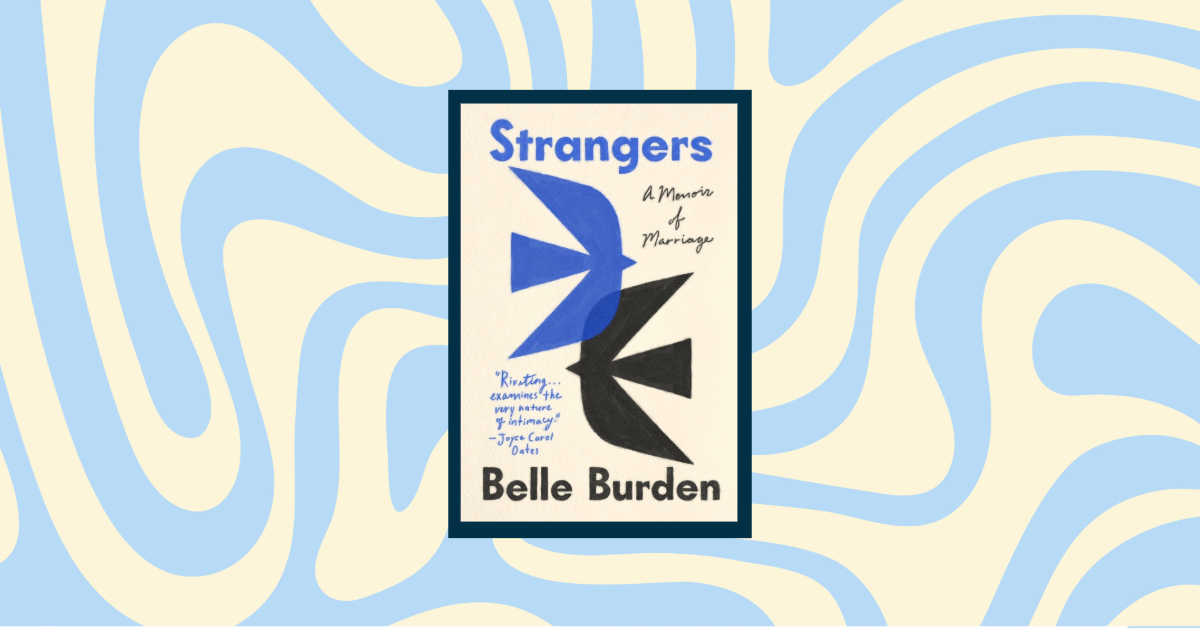
After a 3-month hiatus, I’ve returned to reading—Strangers: A Memoir of Marriage by Belle Burden was so good, I devoured it in 24 hours. What less does it deserve than an entire post’s worth of my thoughts and feelings?

In March 2020, Burden’s husband of over 20 years suddenly announced he wanted to end their marriage. He said he wouldn’t explain why and his mind couldn’t be changed. He didn’t want custody of their kids. Quite literally overnight, this man she had built and shared a life with became a stranger. She is, of course, devastated and navigating the emotional turmoil that comes from that, but she then begins dissecting everything that came before in an effort to understand how she could’ve been so tragically blindsided.
The emotional wreckage Burden finds herself in is obviously a poignant theme in this story. Not only because of the pain and self-doubt that comes with betrayal, but because breakups are, by definition, a dissolution of identity.
It’s inevitable to intertwine our partners into the very core of who we are, and we feel safe doing so because we trust they’ve shown us all of themselves. Burden says: That’s not always the case. Intimacy is complicated. The ways we navigate life and grow and change are complicated.
Proceed With Caution
While this book can serve as a warning to anyone in a long-term relationship, the overarching commentary is on women’s financial safety: how we must look after ourselves, even in the most loving and picture-perfect relationships.
Burden stayed at home with her kids and ultimately halted her career as a lawyer. She surrendered all financial control and responsibility to her husband because there was no reason to believe she couldn’t trust him.
It’s not “dishonourable,” “a red flag,” or “untraditional” to expect financial transparency or to refuse to put our entire financial security into the hands of a man. This illusion has kept women in unsafe positions far more than this book can cover.
Burden doesn’t detest men, downplay the value of stay-at-home labour, or assert that women must work. In my own life, I’ve had the privilege and flexibility to explore my own avenues thanks to my partner, who contributes more financially. The key is that, God forbid he ever decides to turn on me, I would be able to carry myself. Should he become physically or emotionally abusive, I would not be trapped by fear of financial ruin. I deserve that kind of safety, and so does he. The road goes two ways because women can abuse, exploit, and deceive all the same.
My fiancé is an angel, someone I know inside out, and a beautiful person through and through. I can say it’s highly unlikely, but I can’t say he would never ever do something like this, because it would be foolish to say anything with certainty.
Finding a Voice in the Wreckage
Toward the end of the book, Burden’s tone moves from pain and confusion to growth and clarity. In the upending of her life, she rediscovered her voice, which ultimately led to the publication of this book. I hate falling back on the cliché “Everything happens for a reason,” but memoirs show this to me time and time again: The most life-changing growth often blooms from the battlegrounds of despair. The necessity of Burden’s shift is palpable.
Nobody should ever have to experience what she did. Yet through that experience, she transformed from a quiet, complacent person to an outspoken author unafraid to share her truth.
“Revenge” Is Pointless
Probably my only criticism for this book is I would’ve liked to see Burden be more mean toward her ex-husband. My reaction was visceral; I craved the satisfaction of her ripping him apart for his merciless and frankly whackass behaviour. But I also think it’s important that the book wasn’t positioned as a vengeful recount of victimhood. Instead, it’s an honest and raw telling of what Burden experienced, what she learned, and by proxy, what we can all learn from her story.
“When I think of James now, I think of that man waving. He is not a villain. He is a man with his own wounds. He is my children’s father, the source of many years of love and happiness. He is someone who made decisions about his own life, his own future. He is someone I can survive without. He is someone I don’t know. He is someone who doesn’t know me.”
Strangers didn’t leave me panicking, or staying up at night haunted by the thought of being abandoned by my fiancé. Rather, it made me think about the impossibility of ever knowing another person completely. We build our lives around the people we love because we have to; there is no other way to live. But perhaps the goal isn’t to eliminate that vulnerability. It’s to know that, even if the life we built changes beyond recognition, we are still capable of building another one.
See you soon,






Leave a Reply